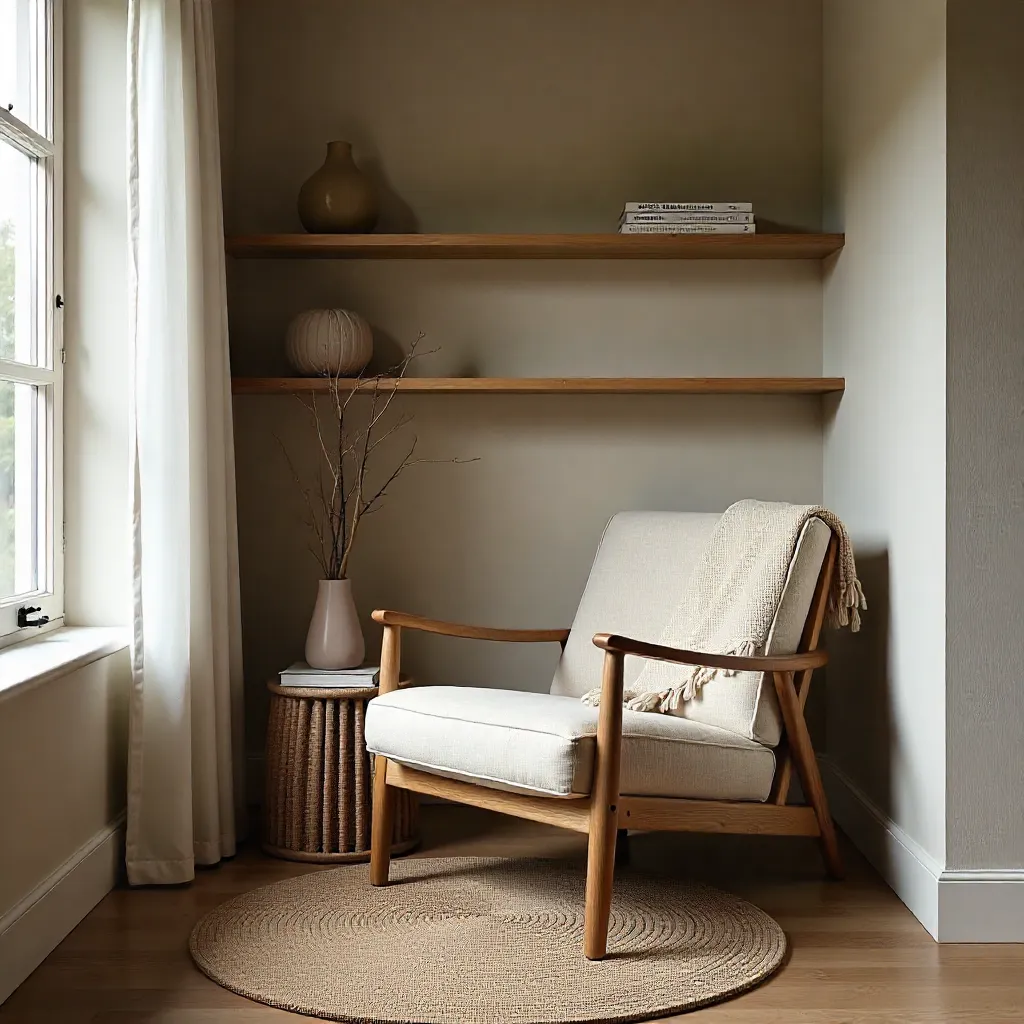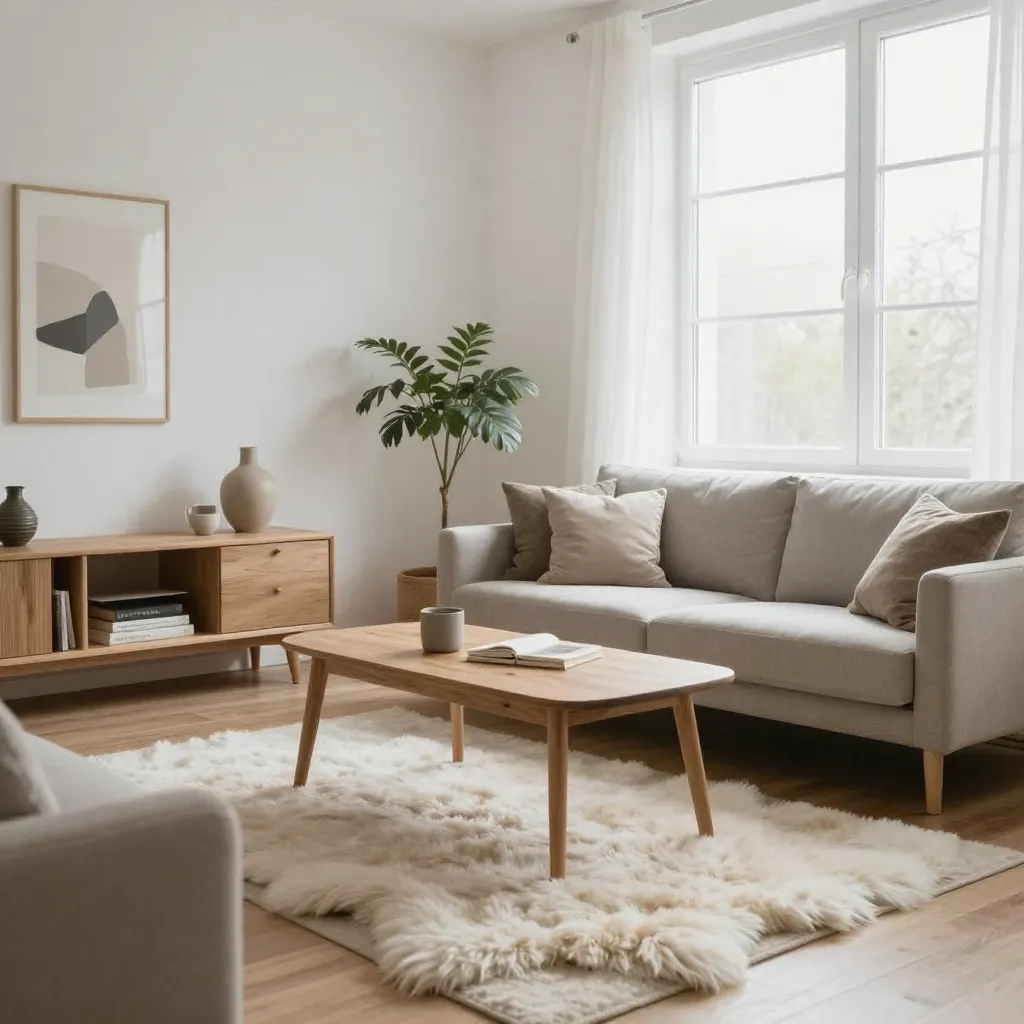
Sustainable materials in Nordic interior design

Sustainable Materials for Nordic Minimalism

Choose materials that honor both beauty and the environment

Soft Woods: Birch, Pine, and Ash

Nordic design celebrates the natural beauty of locally sourced wood species. These materials bring warmth, texture, and a connection to nature into interior spaces while supporting sustainable forestry practices.

Each wood type offers unique characteristics: birch provides pale, fine-grained surfaces; pine brings golden warmth; ash offers strength with elegant grey tones. All age gracefully, developing a patina that tells the story of time and use.
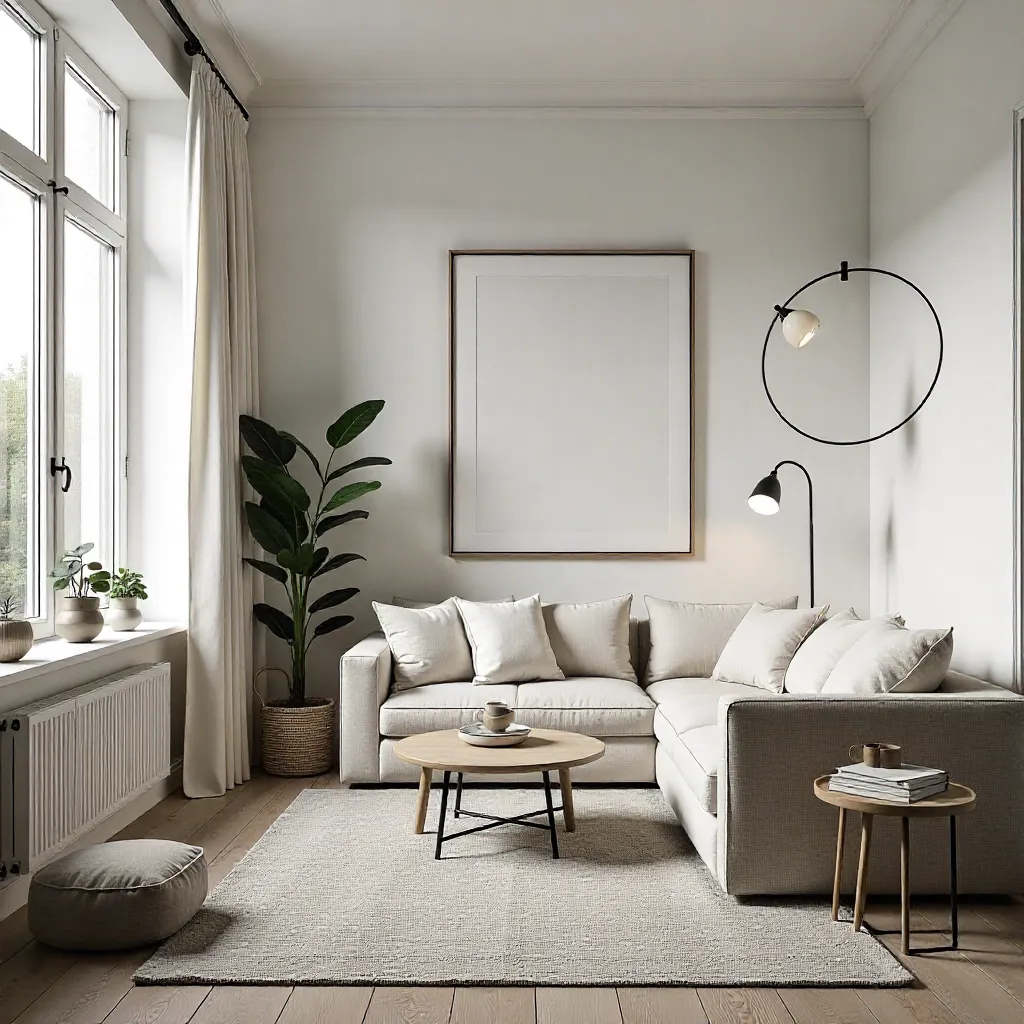
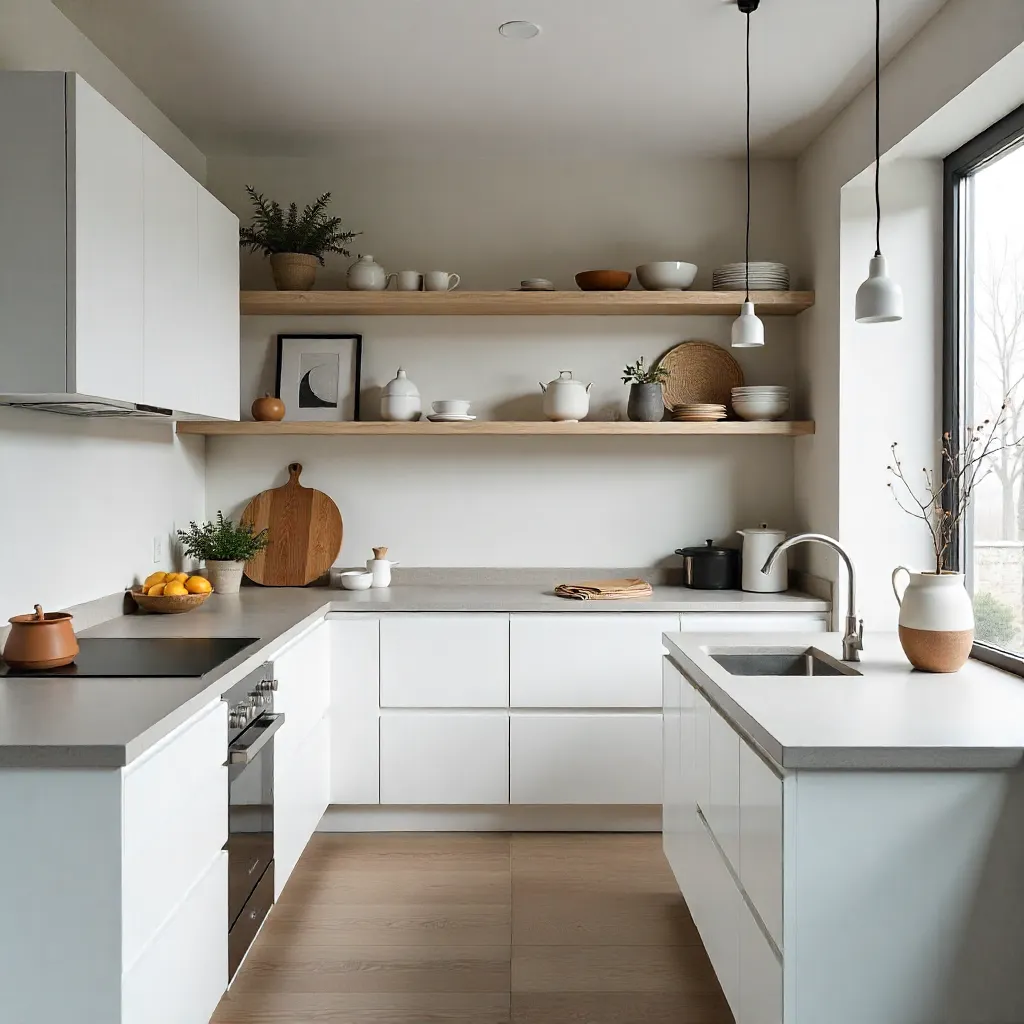
Material Gallery

Birch wood furniture in minimalist setting

Birch Wood

Light, pale wood with fine grain. Sustainably harvested from managed forests. Ages beautifully with minimal maintenance.

Sustainability: 9/10
Durability: 8/10
Maintenance: 7/10
Pine wood in kitchen design

Pine Wood

Warm golden tones with distinctive grain patterns. Fast-growing and renewable. Requires occasional oil treatment to maintain appearance.

Sustainability: 9/10
Durability: 7/10
Maintenance: 8/10
Ash wood furniture with natural finish

Ash Wood

Strong, resilient wood with grey undertones. Excellent for high-traffic areas. Low maintenance with natural oil finishes.

Sustainability: 8/10
Durability: 9/10
Maintenance: 9/10

Natural Textiles: Linen, Wool, and Cotton

Textiles play a crucial role in Nordic design, providing softness, warmth, and texture. Natural fibers are preferred for their breathability, durability, and environmental benefits.

Linen

Made from flax, linen is highly sustainable and requires minimal water. It wrinkles naturally, adding texture and character. Perfect for curtains, upholstery, and bedding.

Wool

Renewable and biodegradable, wool provides natural insulation and moisture regulation. Ideal for rugs, throws, and cushions. Choose from ethically sourced suppliers.

Organic Cotton

When grown organically, cotton is a sustainable choice. Soft, breathable, and versatile. Use for bedding, towels, and light upholstery in neutral tones.

Eco-Friendly Paints and Oils

Traditional paints contain volatile organic compounds (VOCs) that can affect indoor air quality. Nordic design embraces natural, low-VOC alternatives that are safer for both people and the environment.

Natural oil finishes for wood—such as linseed, tung, and hemp oil—protect surfaces while allowing the wood to breathe. These finishes enhance the natural grain and develop a beautiful patina over time.

Matte Ceramics and Stone

Handcrafted ceramics and natural stone bring organic, imperfect beauty to minimalist spaces. Matte finishes absorb light gently, creating soft shadows and depth.

Choose locally sourced stone when possible, and support ceramic artists who use sustainable practices. These materials last for generations, making them excellent long-term investments.

How Materials Age Over Time

Wood Patina

Natural wood develops a rich patina over years of use. Scratches and wear marks become part of the material's story, adding character and authenticity.

Textile Softening

Linen and cotton soften with each wash, becoming more comfortable and inviting. Wool maintains its structure while developing a gentle, lived-in feel.

Stone Weathering

Natural stone surfaces develop subtle variations and textures over time. These changes enhance rather than detract from the material's beauty.